Last Summer Honest Review, A Hidden Gem You Shouldn’t Miss
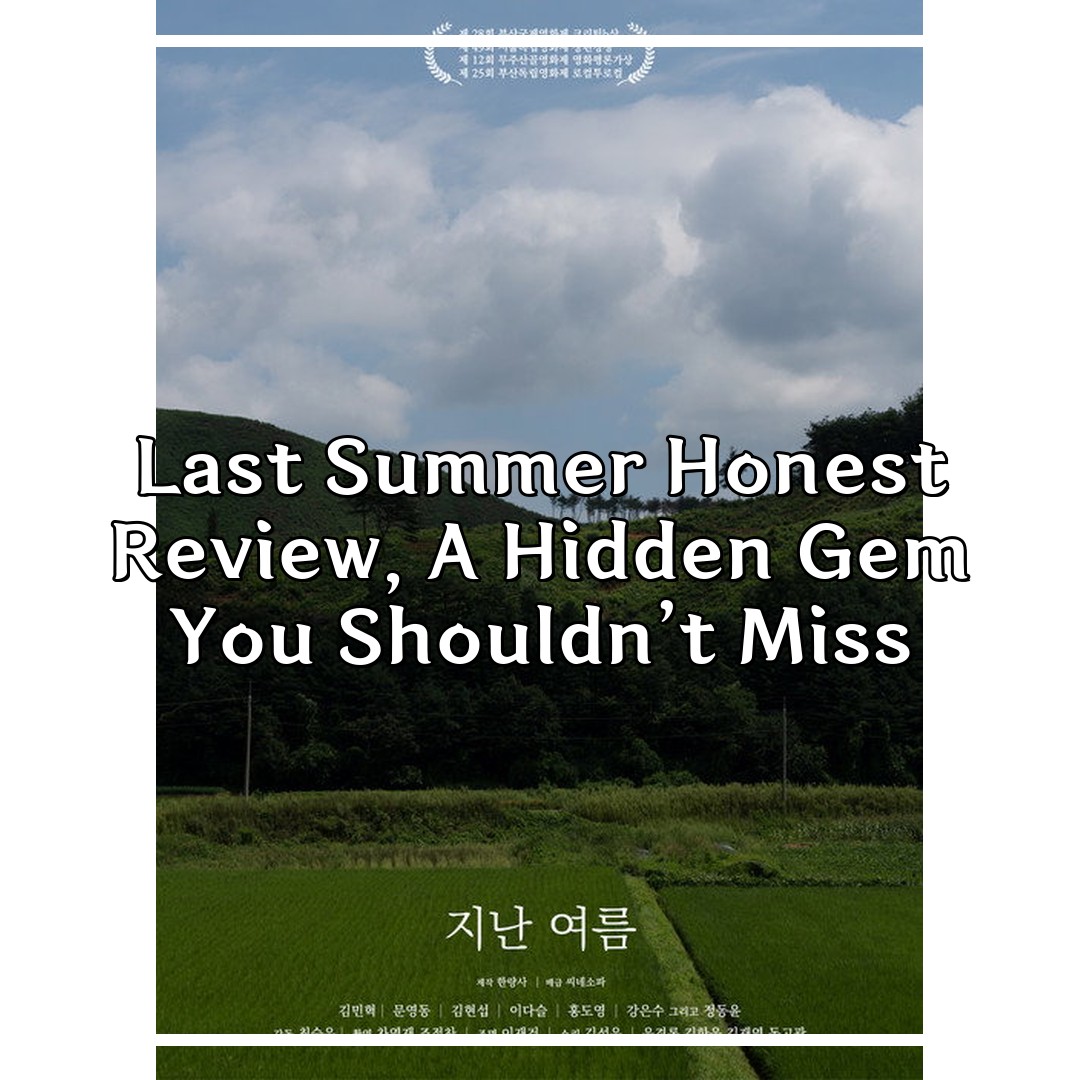
I recently caught a screening of a film directed by 최승우, and honestly, I was curious about how the story would unfold given its drama genre. After watching it myself, I can say it left me pondering long after the credits rolled. The film’s subtle storytelling and emotional depth made me want to share my thoughts without giving too much away. If you enjoy movies that slowly reveal their layers, this one might just surprise you.
1. 지난 여름 첫인상
A Quiet, Reflective Atmosphere
Watching Last Summer in the theater left me with a calm, contemplative feeling. The film unfolds at a slow, deliberate pace, immersing viewers in the rural village where Minwoo, a young man working at the town office, lives a quietly routine life with his family. The mood is subdued, almost meditative, reflecting the sometimes unpredictable weather that mirrors the inner stillness and occasional unrest of the characters. The first 30 minutes gently set the tone without much dramatic tension, offering instead subtle glimpses into everyday moments and relationships. There isn’t a rush to plot developments; rather, the film invites you to soak in the atmosphere and the nuanced human interactions.
Overall, the movie doesn’t feel like a conventional drama with clear climaxes or resolutions. It’s more of a quiet study of life in a small community, focusing on the personal rhythms of Minwoo and those around him. If you’re expecting a gripping storyline or emotional highs, this might feel underwhelming. However, for viewers who appreciate subtlety and a realistic portrayal of rural life, it offers a sincere and thoughtful experience.
2. 최승우 감독의 연출
Distinctive Directing Style and Performance
Choi Seung-woo’s directing in "Last Summer" reveals a subtle yet deeply immersive approach, characteristic of his previous works. Unlike his earlier films, where the narrative pacing leaned heavily on tension and suspense, this film adopts a more contemplative rhythm that allows emotions to breathe naturally. This director's signature use of intimate close-ups and natural lighting really helps to emphasize the rawness of the characters’ inner worlds, making every emotional beat feel genuine and heartfelt. The thoughtful framing and deliberate pauses enhance the drama’s quiet intensity, a notable evolution from his more kinetic style in earlier projects.
The cast, especially Kim Min-woo and Kim Hyun-seop, bring a compelling authenticity to their roles. Their performances are nuanced and restrained, perfectly matching the director’s vision. I felt the actors truly embodied their characters’ complexities, and it’s clear that the director gave them space to explore subtle emotional shifts. It was impressive how the actors really brought the script to life, making every moment resonate deeply. Compared to Choi’s previous films, where the focus was more on plot-driven tension, the emphasis here on character-driven storytelling is a refreshing change that works beautifully.
주요 출연진
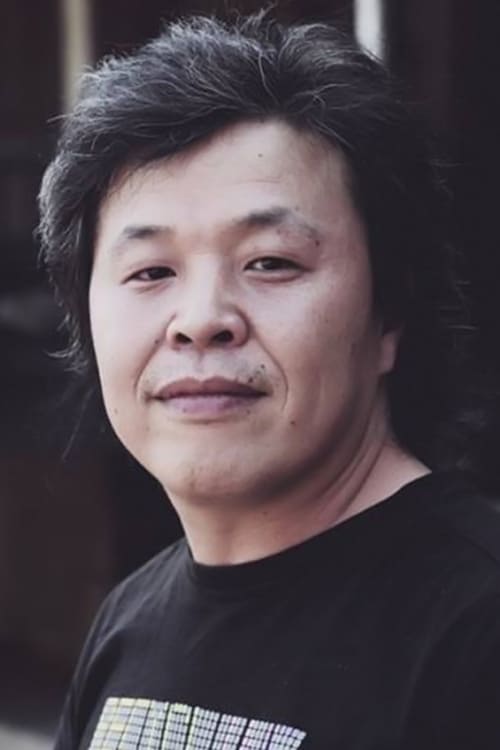
문영동
Father
3. 이런 이야기예요
Subtle Narrative and Thematic Depth
The story structure in this film unfolds with a quiet, deliberate pace that mirrors the tranquil yet uneasy atmosphere of rural life. The narrative avoids dramatic spikes and instead opts for a more contemplative rhythm, allowing viewers to gradually immerse themselves in the world of Minwoo and his surroundings. This steady development invites a deep emotional connection without rushing the plot or sacrificing subtlety. The flow of events gently carries the audience through the complexities of daily existence, relationships, and silent struggles, which become increasingly engaging especially from the middle section onward.
What stands out is how the film’s exploration of time and memory reflects broader human experiences, emphasizing the quiet resilience required to endure change and uncertainty. Themes of familial bonds, friendship, and the evolving ties to one’s environment are delicately interwoven, creating a tapestry that is both intimate and universally relatable. The film’s core message resonates deeply when considering the implied tagline, which encourages viewers to reflect on the subtle but profound moments that shape our lives, much like the seasons that quietly shape the rural landscape.
In essence, the storytelling style and thematic focus combine to deliver a nuanced meditation on life’s gentle transitions. The experience is less about dramatic revelations and more about appreciating the understated beauty in everyday moments, making the film a quietly powerful reflection on existence and connection.
4. 눈과 귀가 즐거운 영화

Visuals and Cinematography
The film’s visuals are truly captivating. The use of natural light and soft focus creates a warm, nostalgic atmosphere that perfectly fits the story’s mood. The camera movement feels intimate and personal, often lingering on small details that reveal the characters’ emotions subtly. Color grading leans towards pastel tones, giving the scenes a gentle, almost dreamlike quality. This careful attention to color and light makes every frame look like a beautifully painted picture. The simple yet effective cinematography draws you deeply into the world of the film without feeling overwhelming.
Sound and Music
The soundtrack complements the visuals perfectly. The music is subtle and emotional, enhancing each scene without overpowering it. I found that the songs and background scores matched the pacing of the story so well that they made emotional moments even more touching. The sound effects are also carefully placed, from gentle rustling leaves to distant city noises, which create a realistic and immersive environment. The music felt like it was made just for this film, fitting every scene like a glove.
Technical Effects
While the movie doesn't rely heavily on computer-generated imagery or flashy special effects, the subtle use of visual effects enhances the storytelling without drawing attention away from the performances. The slight blurs and light leaks used in certain scenes add to the nostalgic feel, making the movie visually unique. The technical aspects feel natural and never distract from the emotional core. Overall, the combination of visual and sound design creates a truly beautiful cinematic experience. I genuinely enjoyed how the screen looked and how the music perfectly matched each moment.
5. 이런 분께 추천해요
Final Thoughts and Who Should Watch
Overall, "Last Summer" by director Choi Seung-woo offers a subtle yet poignant drama that explores emotional depths through understated storytelling. While the film currently lacks an official rating, my personal score would hover around 6.5 out of 10. This score reflects its strengths in atmosphere and character-driven moments, balanced against its slower pacing and occasional narrative ambiguity, which might not appeal to all viewers. It's a film that rewards patience and reflection rather than immediate gratification.
If you appreciate contemplative dramas that focus on human relationships and emotional subtleties, this movie is definitely for you. Those who enjoy films that evoke nostalgia and thoughtful introspection will find much to admire here. On the other hand, if you prefer fast-paced plots or clear-cut resolutions, this film may feel somewhat meandering and unsatisfying. It’s less suited for viewers seeking conventional drama tropes or high-energy narratives.
Regarding viewing preferences, "Last Summer" is better enjoyed in a quiet setting where you can fully engage with its nuances—OTT platforms would be ideal for this. While the cinematic experience has its merits, the intimate nature of the film makes it well-suited for home viewing. I would consider rewatching it in the future to catch subtle details missed initially, but it’s not necessarily a film for repeated viewings.
Personal Rating
6.5 / 10
결론적으로, 최승우 감독의 감성을 담아낸 이번 영화는 섬세한 감정 표현과 현실적인 이야기로 관객의 공감을 자아냅니다. 평점이 없다는 점이 아쉽지만, 깊이 있는 스토리와 배우들의 자연스러운 연기가 인상적이라 드라마 장르를 좋아하는 분들께 추천드려요. 다만, 빠른 전개보다는 천천히 감상하는 것이 몰입에 도움이 될 것입니다. 한 줄로 정리하면, 지난 여름은 진솔한 인간관계를 조명한 따뜻한 드라마입니다.
자주 묻는 질문
- Q. What is the running time of the movie?
- A. The movie runs for 76 minutes, making it a perfect watch for a cozy afternoon.
- Q. Is there any post-credit or mid-credit scene?
- A. No, there are no additional scenes after the credits, so you can leave right after the movie ends.
- Q. What is the recommended audience for this film?
- A. This drama is great for viewers who enjoy thoughtful and emotional stories about human relationships.
- Q. Is “Last Summer” based on a book or original script?
- A. The movie is an original work directed by Choi Seung-woo, not adapted from any book or previous material.
- Q. What is the film's rating suitable for?
- A. It is rated appropriate for teens and above due to its mature themes, so younger viewers might want to watch with guidance.


Comments
Post a Comment